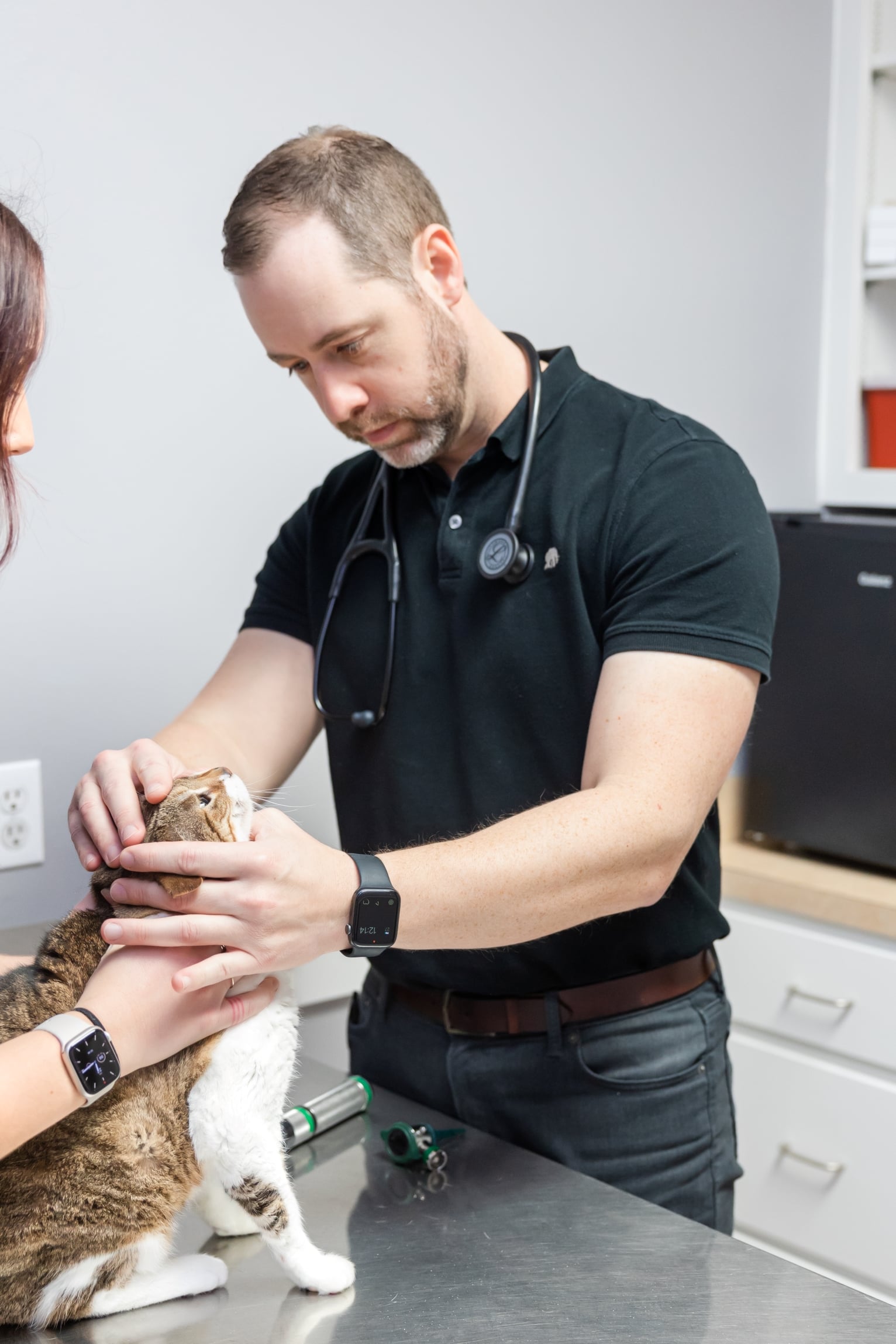
Prairieville Animal Hospital: Your Local Veterinary Clinic You Can Trust
Prairieville sits at a quiet crossroad where farm gates meet neighborhood streets, and the truth of a good clinic shows up not in flashy ads but in the everyday rhythm of care. Prairieville Animal Hospital has earned a steady reputation by showing up for pet families the way a trusted neighbor would: with clear explanations, careful listening, and a readiness to roll up sleeves when things get tough. This is not a place that treats symptoms in a vacuum. It’s a small town practice that understands the practical realities of pet ownership, from the chaos of a morning routine to the fear that sometimes accompanies a pet’s visit to the clinic.
In my years working with small animal practices, I’ve learned that the value of a veterinary clinic goes beyond the exam room. It lives in the phone calls after an appointment, in the after-hours guidance when a sudden sneeze becomes a concern, and in the way the team helps you navigate decisions without pressuring you toward the most expensive option. Prairieville Animal Hospital embodies a balance between professional competence and humane concern. The team is able to deliver high-quality medical care while keeping the human side of pet care intact.
This article is a practical tour through what makes Prairieville Animal Hospital a clinic you can trust. It’s anchored in real-world experience, with focused insights on wellness exams, vaccinations, spay and neuter programs, surgery, and dental care. If you have questions about pet care in Prairieville, you’ll find grounded answers here, drawn from daily practice and the kind of ongoing relationships that come from serving families over many seasons.
A steady clinic with a clear philosophy
From the first call you make to schedule a visit to the moment you walk back to your car after picking up a pet, the clinic aims to reduce uncertainty. The staff speaks in plain language, avoiding jargon that leaves owners second-guessing the care plan. The goal is mutual understanding: you explain what you see at home, the veterinarians translate that into what’s happening with the body, and together you decide on steps forward that fit your schedule and your budget.
This approach isn’t about chasing the latest gadget or a single perfect protocol. It’s about choosing the right tool for the patient in front of you. A routine wellness exam at Prairieville Animal Hospital is not a one-size-fits-all ritual. It’s a structured check that includes listening to you about behavioral changes, looking for subtle signs during a physical assessment, and then proposing a plan that matches the animal’s age, medical history, and lifestyle.
Wellness exams that respect your time and your pet’s life stage
There’s a rhythm to wellness visits that makes them less intimidating and more actionable. For younger pets, the emphasis is on prevention: appropriate vaccines, parasite control, microchipping if you choose it, dental care education, and guidance on nutrition that supports growth without overfeeding. For middle-aged animals, the focus shifts toward keeping chronic conditions at bay. The veterinarian will discuss risk factors that tend to emerge around four or five years of age in dogs and cats, such as dental disease, kidney function, thyroid balance, and joint health. For seniors, wellness visits become a proactive management plan that blends regular blood work with targeted imaging or diagnostic tests when indicated, all designed to extend quality life rather than simply prolong it.
One practical aspect you’ll notice at Prairieville Animal Hospital is the emphasis on education during the visit. If a medication is prescribed, you’ll walk away with clear written instructions and a plan for monitoring effects and potential interactions with any other treatments your pet might be receiving. If a routine blood panel is recommended, you’ll receive a straightforward explanation about what the values mean, why early detection matters, and what course of action might follow if something comes back out of the expected range. The underlying tone is collaborative rather than prescriptive, which makes it easier to engage in decisions about care that respect your values and your budget.
Vaccinations for pets: protection that respects your pet’s life and your circumstances
Vaccinations remain a cornerstone of preventive care, and Prairieville Animal Hospital handles them with the same calm, methodical approach you’d want in any medical relationship. The team keeps a current, evidence-based menu of vaccines, tailoring recommendations to each patient’s risk profile, age, and lifestyle. For example, a dog who rarely leaves a fenced yard may not need the same schedule as a dog who visits dog parks or kennels regularly. The same logic applies to cats, where indoor-only cats face different exposure risks than feline companions who roam.
A practical vaccination plan balances protection with minimizing discomfort and avoiding unnecessary injections. The clinicians typically present a clear timeline, explaining which vaccines are needed now, which can be deferred, and the reasoning behind starter vaccines versus boosters. It’s common to see a vaccination discussion tied to a broader preventive plan that includes parasite control, dental care, and spay-neuter considerations when appropriate. This integrated approach helps families see how each piece of preventive care supports long-term health, rather than treating vaccines as a one-off event.
Spay and neuter services that align with responsible pet ownership
Sterilization is presented here as part of a broader commitment to community welfare and pet health. Prairieville Animal Hospital conducts spay and neuter procedures with a focus on minimizing stress for the animal and maximizing safety for the recovery period. The team walks you through the typical timeline after surgery, the anticipated levels of activity, and what signs would require closer attention in the first 24 to 48 hours.
The decision to spay or neuter is rarely a simple one, and the clinic recognizes this. Pricing, recovery expectations, anesthesia considerations, and post-operative care are addressed in plain language, not pressure language. If there are concerns about anesthesia risk or about the timing in relation to a pet’s age or medical history, those concerns are acknowledged and explored. The result is a plan you can stand behind, with a clear understanding of what the procedure entails, what to expect during recovery, and how to monitor your pet at home.
Pet surgery: competence grounded in practical experience
When a pet needs surgery, Prairieville Animal Hospital brings together surgical skill, careful anesthesia management, and a supportive recovery pathway. The surgical suite is maintained to high standards, and the team uses monitoring equipment to ensure stability through anesthesia. The approach is meticulous: preoperative assessment informs which anesthesia protocol to use, the surgical plan is defined with you in mind, and postoperative orders are explicit and actionable.
What makes a clinic reliable in this space is the way surgeons communicate about risk. There will always be inherent risks with any surgical procedure, but a good clinic makes these risks concrete rather than abstract. They discuss the chances of complications in practical terms and share contingency plans should anything unexpected arise. After the procedure, analgesia and comfort are prioritized so the animal experiences as little pain as possible. The recovery period is supported with clear instructions and a realistic timeline for returning to normal activity.
Pet dental care: a window into broader health
Veterinary dentistry is often underestimated in its impact on overall health. Prairieville Animal Hospital treats dental care as a central piece of preventive medicine rather than a cosmetic add-on. Regular dental prophylaxis, patient-specific home care plans, and targeted treatments for periodontal disease all fit within the clinic’s approach to keeping pets comfortable and free from systemic complications that dental disease can trigger.
In a typical dental visit, you’ll see a careful assessment of tooth and gum health, an explanation of findings in plain language, and a discussion of recommended treatments. If cleaning is advised, the clinic outlines the steps, the anesthesia plan, and the post-procedure care required at home. Dental disease often accompanies age-related conditions and can exacerbate other issues such as kidney or liver function, so treating dental disease isn’t just about fresh breath. It can be a meaningful part of extending healthy years.
Real-world care: a feel for the day-to-day at Prairieville
What stands out in practice is the balance between clinical thoroughness and everyday empathy. A pet may arrive anxious, but the clinic staff works to reduce stress by adjusting the room setup, offering pheromone aids when appropriate, and giving owners time to acclimate before any examination. The same care extends to more challenging cases, where a plan is laid out to keep a patient comfortable while pursuing essential diagnostics.
The team’s approach to owner communication is consistent across cases. If a lab test is ordered, you’ll receive a straightforward explanation of what’s being tested, why it matters, and how results will influence the plan. If a vaccination is due, you’ll get a concise rationale tied to your animal’s risk exposure. The end result is a relationship built on trust rather than on a transactional visit.
A practical guide to navigating care at Prairieville Animal Hospital
- Scheduling and accessibility: The clinic understands that pet health care often hinges on timely access. Appointments are scheduled to respect busy family routines, and there is a willingness to accommodate emergencies when possible. If you’re juggling school schedules, work commitments, or multiple pets, a clear communication line helps keep care on track without feeling rushed.
- Payment and planning: Transparent cost discussions occur early in the process. Offers for payment plans or budget-conscious alternatives aren’t unusual, and staff take care to explain what options exist for each procedure or treatment. This helps families plan ahead rather than confronting surprise bills after an visit.
- Continuity of care: The clinic values long-term relationships. Your pet’s record travels with them as they grow, and the veterinarians take the time to review historical notes before proposing new tests or therapies. A familiar team can be a comforting factor for anxious pets.
- After-hours guidance: When your pet’s condition requires attention outside office hours, the clinic provides practical guidance about what constitutes an emergency and how to reach appropriate resources. The aim is to reduce fear and confusion during urgent moments.
- Community ties: Prairieville Animal Hospital sustains a sense of local responsibility. This isn’t a clinic that simply treats animals and moves on. It participates in community events, supports education about responsible pet ownership, and offers resources that help families keep pets healthy in the long run.
Two lists that capture practical aspects of care
-
Core components of a well-run wellness visit
-
A physical examination that checks heart, lungs, abdomen, joints, teeth, and skin
-
Tailored vaccine plan aligned with age and lifestyle
-
Preventive parasite control guidance for fleas, ticks, and intestinal worms

-
Nutrition and weight management discussion, with realistic goals
-
Home care instructions for dental hygiene, medication administration, and behavior observations
-
What to expect around a routine spay or neuter procedure
-
Preoperative assessment to gauge anesthesia risk and overall readiness
-
A clear anesthesia plan with monitoring throughout the procedure
-
Pain management protocol designed to minimize discomfort after recovery
-
Postoperative instructions for activity level, wound care, and feeding
-
A follow-up plan to confirm healing and address any concerns
The human side of veterinary care: relationships that endure

A clinic isn’t only about the procedures performed. It’s about the rapport that grows between the veterinary team and pet families. Prairieville Animal Hospital demonstrates what happens when technical competence is paired with listening skills. A good clinician acknowledges a family’s anxieties, answers questions without rushing, and helps translate medical language into practical steps you can act on.
During long-term care, you’ll notice how the team prioritizes stability over sensational breakthroughs. A patient’s well-being is not something you measure only when a crisis hits. It’s seen in the consistency of recommended preventive care, the patience shown to anxious pets during exams, and the careful stewardship of chronic conditions that require regular monitoring. This balanced perspective matters because preventive care compounds over years. It pays dividends in the form of longer healthy years, fewer avoidable emergencies, and stronger trust between families and their veterinary care team.
Common concerns and how the clinic addresses them
One recurring theme involves the stress associated with veterinary visits. The team has developed strategies to minimize this, from environmental adjustments in the waiting area to the use of gentle handling techniques during exams. If a pet responds to stress by vocalizing or attempting to flee, the staff shifts gears—allowing extra space, using calming cues, and moving at a pace that reduces arousal. It’s a practical reminder that care isn’t only about the body in the exam room; it’s about the emotional state of the patient and the owner.
Another area where expectations meet reality is cost. Veterinary care can be substantial, and families often worry about budgeting for preventive care or urgent treatment. Prairieville Animal Hospital addresses this by presenting clear options whenever possible. The conversation isn’t about shaming a choice but about providing a realistic sense of what each option costs, what benefits it yields, and how it aligns with the animal’s condition and the owner’s values. If pet boarding near me a lower-cost approach is feasible without compromising essential care, the team is quick to outline it.
Edge cases where practical judgment matters
No clinic operates in a vacuum. There are situations where the standard pathway isn’t the best route. For instance, an elderly dog with a mild cardiac murmur requires a nuanced assessment before anesthesia. In such a case, a cardiology consult or a modified anesthesia plan may be recommended. Or consider a cat with a chronic kidney condition where a straightforward vaccination schedule could risk unnecessary stress; in that scenario, the veterinarian might propose a staggered approach that protects immunity while respecting kidney function.
Another edge case involves pet travel or boarding needs. The clinic can help you plan for vaccines or health certificates required for certain destinations or facilities. The guidance here is practical: start early, gather the necessary documentation, and avoid last-minute pressure that could lead to rushed decisions.
A practical, human-centered conclusion
Prairieville Animal Hospital represents a steady, reliable option for families that value clear communication, thoughtful preventive care, and compassionate medical management. The clinic’s philosophy centers on collaboration with you as a partner in your pet’s health, rather than dictating care from a distance. In a world where medical care can feel impersonal, this approach matters. It’s the difference between feeling like a number and feeling seen by people who genuinely care about your pet’s happiness and comfort.
If you are new to the area or simply seeking a refreshed perspective on veterinary care, consider what makes a clinic trustworthy in your book. Look for a team that explains, not talks over you. A clinic that offers a predictable plan for wellness visits, that treats vaccination as a living, breathing part of your pet’s life stage, and that guides you through decisions with honesty about trade-offs. Prairieville Animal Hospital embodies many of these qualities in a way that is easy to recognize on the couch after a long day, when you’re planning ahead for the next six months of your pet’s life.
In practice, the value of a veterinary clinic becomes clear through everyday moments: the call to confirm an appointment, the nurse who helps you understand a diagnosis, the relief of a pet recovering well after surgery, and the ongoing dialogue about how best to maintain a pet’s health year after year. These are not headlines; they are lived experiences that add up to a clinic you can trust.
If you’re evaluating local veterinary options, start with a few straightforward questions. How does the clinic prioritize preventive care in the context of your pet’s daily life? What is the approach to anesthesia and post-operative pain management for surgeries? How does the team handle anxious or stressed pets, and what accommodations do they offer to make visits easier? How transparent is the discussion around costs and treatment options? The right answers tend to arrive not in grand promises but in patient, consistent, knowledgeable guidance that respects both your pet and your budget.
Prairieville Animal Hospital stands as a practical example of this ethos in action. It is a clinic that lives up to the trust that local families place in it, day after day, through routine wellness exams, careful vaccination planning, humane spay and neuter services, reliable surgical care, and steady, thoughtful dental treatment. It is a place where you can bring a pet for a checkup with confidence, knowing that the people in the room with you share a straightforward aim: to help your animal live its best possible life.