Pet Wellness Exams Prairieville Animal Hospital: What Changes with Aging
When I first started in practice, wellness visits were mostly about catching the obvious things early—a coughing fit here, a limp there, a vaccination due. Years later, the conversations around aging pets have shifted. Owners bring quiet questions, not dramatic symptoms, and the answers live in patterns: how a body changes, what to watch for, and how to keep a life well lived even as the calendar pages accumulate. Prairieville Animal Hospital has learned to meet aging pets with a different rhythm in our wellness exams. The goal isn’t to rush through a standard script, but to tailor the visit to the slow, nuanced changes that come with years of activity, memory, and routine.
A senior dog or cat arrives with its own history of adventures, meals, and couch spots. The same exam that once looked for an acute fever now looks for subtler shifts: a gait that labels stiffness rather than pain, a breath that sounds a category different from yesterday, a coat that tells us more about nutrition and hydration than it does about shine. Our approach blends routine screening with focused questions for owners, and it relies on the hospital’s long-standing relationships with families in Prairieville. The result is a program that feels familiar yet deeply attentive, like a long friendship with a hinged lid that can open to reveal what needs attention now.
Understanding aging in pets begins with the reality that physiology shifts across organ systems, sometimes in parallel and sometimes in contrast. The kidneys, liver, and cardiovascular system evolve at different paces. Joints become less forgiving; muscles lose some tone and stamina. The senses narrow gradually, and cognitive function can shift in ways that resemble, but are not the same as, human aging. The trick for wellness visits is not to chase every possible change at once, but to establish a plan that balances monitoring with preventive actions that genuinely improve quality of life. In Prairieville, that plan often starts with a careful physical examination, a conversation about daily routines, and a set of tests designed to capture the subtle signals aging pets give off.
Aging is not a disease to be defeated but a phase to be understood and managed. The wellness exam for an aging pet at Prairieville Animal Hospital centers on three pillars: proactive monitoring, targeted diagnostics, and practical interventions. Proactive monitoring means tracking trends over time rather than reacting to single episodes. Targeted diagnostics helps differentiate normal aging from conditions that require treatment or adjustment. Practical interventions cover dental care, nutrition, physical therapy, and medication management in ways that fit a family’s schedule and a pet’s comfort level. This balanced approach respects the animal’s history, honors the owner’s daily routines, and recognizes that every aging pet has its own measure of resilience.
What changes with aging rarely arrives as a loud alarm. It presents as a series of small, accumulative signals. A dog may take longer to rise after a nap, a cat may reduce the length of a daily grooming session, or a rabbit may show less appetite for new foods. The exam at Prairieville Animal Hospital acknowledges these signals as meaningful, not incidental. When a little more stiffness shows up in the morning, the team doesn’t treat it as a one-off problem but as part of a pattern to observe and, if needed, to address with a gentle plan. The concept of wellness here is not simply absence of illness; it is maintenance of function, comfort, and engagement with the life the pet loves.
Aging brings predictable but highly individual patterns. Some pets remain remarkably spry well into their teens, while others experience a faster pace of change due to genetics, prior injuries, or chronic conditions. Our senior wellness framework at Prairieville respects that individuality. Each visit blends a physical exam with conversations about appetite, thirst, urinary patterns, activity level, and sleep quality. We look for changes in coat texture or moisture, weight shifts, and skin integrity that can serve as indicators of dehydration, endocrine changes, or skin disease. We document progress and setbacks alike, not as failures but as data that helps us tailor the next steps.
The practical side of senior care benefits from clear, repeatable routines. At Prairieville Animal Hospital we often guide families through a predictable cadence: regular vaccination status checks, dental assessments, and targeted screening for chronic conditions that commonly appear with age. We don’t treat wellness as a single event; we treat it as an ongoing partnership between veterinarian, owner, and pet. The rhythm is familiar, but the content shifts as the pet’s needs evolve. That evolution is the core reason senior wellness visits exist in the first place.
What to expect during a senior wellness exam
Senior wellness visits begin with the cadence of a familiar checkup—heart, lungs, joints, teeth, and skin are all part of the inventory. What distinguishes the senior exam is the emphasis on stability and trends. The veterinarian will review the pet’s weight trajectory, body condition, and muscle mass. Small declines in weight can signal a range of problems from dental pain to kidney disease or hyperthyroidism in cats. A stable weight is not the same as perfect health, and the exam acknowledges that nuance.
We move from the general to the specific. Blood pressure measurements become more common for older pets, even when they look outwardly fit. The confidence in a blood pressure reading grows with repeated measurements across visits, allowing us to identify a rising trend before a pet experiences symptoms. Laboratory screening commonly includes a blood panel and a urinalysis. These tests provide a window into kidney and liver function, protein balance, and urinary tract health. The values themselves are not a verdict; they are data points that guide decisions about nutrition, medications, or referral to a boarding or rehab program if needed.
Dental health takes on amplified importance with age. Gum recession, tartar buildup, and tooth root changes are more likely to progress when an animal has lived many years in the same environment. A senior dental assessment often accompanies a proactive plan for cleaning, potential extractions, or targeted home care regimens designed to minimize discomfort and maximize appetite. It is not unusual for a pet to show a marked improvement in eating after dental work, and the impact on overall energy and mood can be substantial.
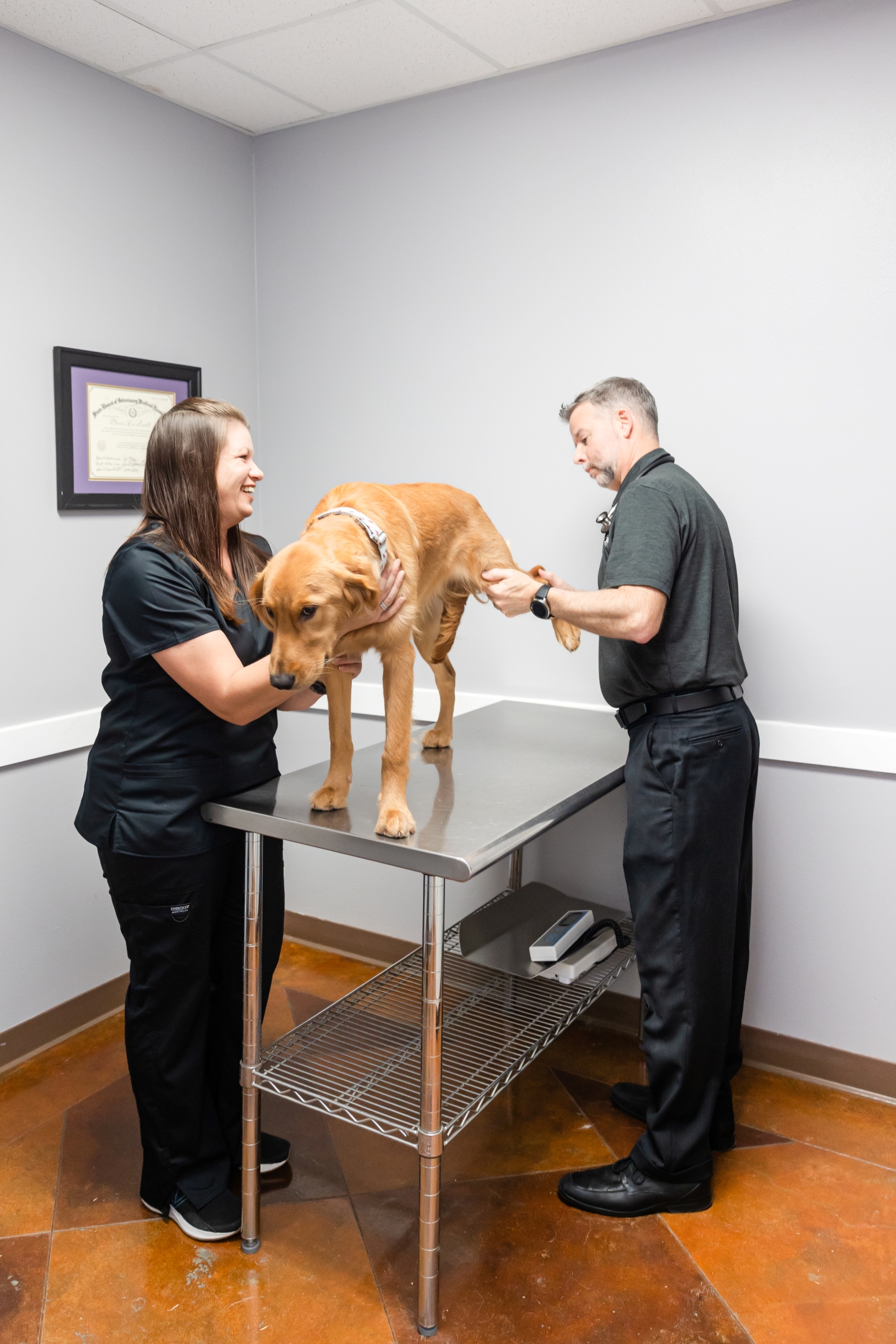
Mobility and body condition receive particular attention in aging pets. The team at Prairieville looks for stiffness, impaired gait, or uneven weight distribution that might reflect osteoarthritis, hip dysplasia, or a history of injuries that have accumulated wear over time. A careful assessment of range of motion in the hips, knees, elbows, and spine helps us prescribe the right combination of anti-inflammatory strategies, weight management, and low-impact exercise tailored to the individual pet. The aim is not only to reduce pain but to preserve and improve daily function.
Cognition and behavior sometimes shift in quiet, almost unnoticeable ways. Some pets become less tolerant of change, others show subtle signs of anxiety or confusion, and a few demonstrate changes in their sleeping or waking patterns. Prairieville Animal Hospital approaches these signs with a compassionate curiosity. We confirm the patterns and explore practical interventions, from enriching environmental stimuli to adjusting routines, all while coordinating with the owner to keep safety and comfort at the forefront.
During the visit, you can expect a guided discussion about the pet’s daily life. Owners often tell stories that reveal more about a pet’s health than a numerical value ever could. A senior dog might prefer a favorite route during a neighborhood walk, while a cat may display a new reluctance to jump onto a favorite perch. These narratives become part of the diagnostic picture. The veterinarian can translate what you observe at home into actionable steps—whether that means changing a feeding schedule, modifying exercise, or implementing a joint supplement protocol with appropriate monitoring.
A practical framework for senior care emerges from the combination of routine checks and personalized action plans. The senior wellness exam is not a one-off event but a series of coordinated visits that build on each other. We track progress, adjust recommendations, and invite owners to participate in every decision. The outcome is not the absence of symptoms but the maintenance of function, comfort, and a sense of continuity for your aging companion.
Two aspects of care frequently shape the day-to-day experience for families with aging pets. The first is vaccination decisions in the context of aging immune systems. Vaccines remain a critical preventive tool, but the timing and selection can differ for older animals depending on their health status and lifestyle. At Prairieville Animal Hospital, we evaluate exposure risks and discuss the benefits and potential risks of vaccines, balancing protection with the pet’s overall wellness. Vaccinations for pets are not a one-size-fits-all solution; they require careful consideration of age-related immune response and existing medical conditions.
The second aspect is nutrition and dental health. Aging pets often require dietary adjustments that support kidney function, joint health, and digestion. A senior diet can be gentler on the kidneys while providing essential nutrients and easily digestible protein. It may also include omega fatty acids or joint-supporting supplements evaluated for safety and efficacy. The dental piece ties back to systemic health: untreated dental disease can contribute to heart and kidney strain, so a practical dental plan becomes part of the larger wellness strategy rather than a separate maintenance task.
Catching up on common age-related conditions
With age, some conditions become more common, yet they are not inevitable. The goal of surveillance is to identify early signs and address them before they significantly impact quality of life. Kidney disease is a frequent concern, especially in older cats. Early stages can be silent, which is why routine bloodwork and urinalysis are essential parts of the senior exam. When detected early, we can adjust diets, increase water intake, and monitor progression with follow-up tests. Dogs experience similar trajectories, with chronic kidney disease presenting subtly through thirst changes, weight loss, or increased urination. Early management can slow progression and preserve energy and appetite.
Thyroid issues follow different patterns in dogs and cats. Hyperthyroidism is common in older cats and can cause weight loss despite appetites that seem insatiable. Conversely, hypothyroidism is less common in cats but appears in some dogs, often in middle-aged animals. Our approach is to confirm with labs, then discuss how to balance thyroid function with appropriate medications, nutrition, and monitoring. A well-controlled thyroid can dramatically improve vitality, coat condition, and activity levels.
Arthritis is a daily reality for many aging pets. The pain of joint degeneration is not something to live with passively. We talk through a toolkit that includes weight management to reduce joint load, appropriate exercise that maintains muscle mass, and the potential use of anti-inflammatory medications or joint supplements. The aim is not merely to reduce pain but to preserve mobility and encourage continued participation in daily life. In practical terms, that means schedules that include short, frequent bursts of activity and rest periods that avoid stiff mornings, a pattern many Prairieville families come to appreciate.
Cognitive changes, when they appear, demand a steady, respectful response. Some owners notice missteps in familiar routines. A dog stops recognizing a favorite park route, a cat forgets the litter box location, or a pet startsle with sudden noise. While there is no universal fix for canine or feline cognitive dysfunction, we can slow progression with environmental enrichment, consistent routines, and targeted medical therapies when indicated. Early conversation about these signs during wellness visits often yields the kind of proactive planning that makes a meaningful difference.
Dental health deserves its own spotlight because it intersects with general health in measurable ways. The simple truth is that many aging pets experience dental disease that quietly erodes overall wellness. We emphasize annual dental exams and professional cleanings as part of the wellness routine. But we also work closely with families to implement home care that matches the pet’s tolerance and behavior. A few minutes of brushing each day, a dental-specific diet option, and chew toys designed for dental health can translate into better appetite, smoother meals, and fewer systemic issues linked to oral disease.
Aging and behavior intersect in practical, observable ways. A once exuberant puppy or kitten often settles into a calmer demeanor, yet the changes can mask discomfort, sleep disruption, or anxiety. Wellness visits at Prairieville include a careful read of behavior patterns, and we connect owners with behavioral strategies, enrichment activities, and when appropriate, referral to specialists who can tailor a plan to the pet’s temperament and living environment.
Two concise guides for navigating senior care
- What to expect during a senior wellness exam
- A practical at-home checklist for aging pets
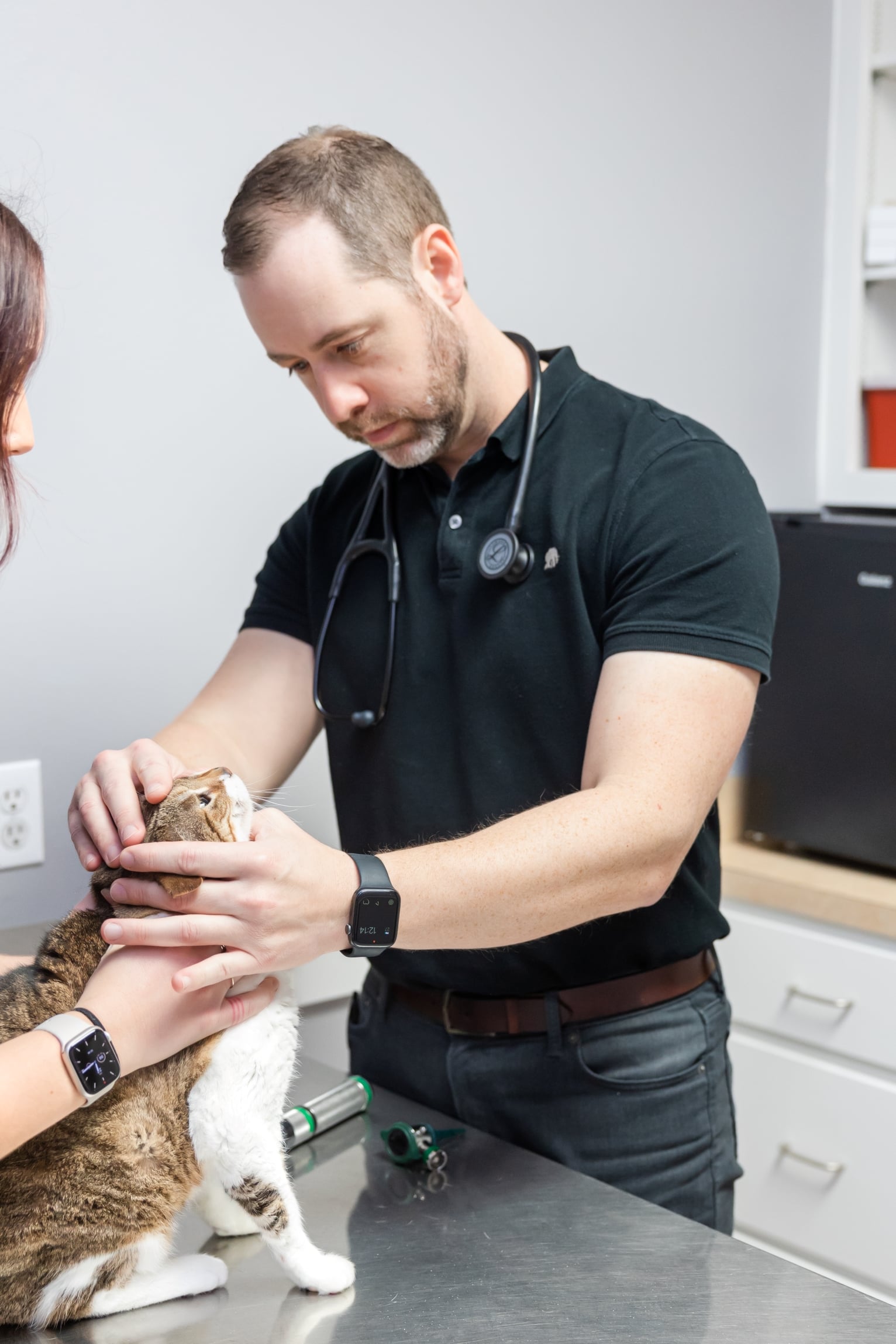
The senior wellness exam has a recipe you can expect to see in practice at Prairieville. It begins with listening to the owner’s narrative, then proceeds to a structured physical exam. The exam will include assessment of heart and lung sounds, an evaluation of eye and ear health, a palpation of abdominal organs, and a check of hydration status and weight. The team often requests a blood pressure reading to detect elevations that could indicate cardiovascular stress or renal issues. A urinalysis is standard, as is a blood chemistry panel that helps map liver, kidney, electrolyte, and glucose health. The information gathered translates into a targeted plan that honors the pet’s current state and future needs.
The at-home checklist is a companion dog boarding prairieville to the in-clinic work. It does not replace professional evaluation, but it helps owners stay connected to the pet’s changing needs between visits. Keep a simple log of weight, appetite, water intake, and activity. Note any changes in sleep patterns, toilet habits, or vocalization. Track accessibility: can the pet jump into its favorite chair, climb stairs, or ambulate across the house without effort? Finally, ensure a predictable daily routine. Consistency can spare stress and help the veterinarian distinguish age-related changes from acute problems.
A note on the spay and neuter and preventative care
Spay and neuter remains a foundational service at Prairieville Animal Hospital for younger pets, but senior care is where the long arc of preventive medicine becomes most meaningful. Vaccinations for pets still hold a place in healthy older animals who are exposed to infectious risks. Our approach balances risk and benefit and leans on ongoing assessment during wellness visits. We discuss how vaccines fit into a broader plan of maintaining health as the immune system changes with age.
Dental care and pet surgeries are not tangential to aging. Dental procedures can reduce systemic stress and improve the overall quality of life for seniors. For pets requiring surgical intervention, Prairieville brings a measured, conservative approach. Preoperative evaluation, appropriate anesthesia protocols, and postoperative plans are tailored to the individual animal’s health status and history. The goal is to achieve necessary care with a focus on comfort and rapid return to familiar routines.
Practical considerations for families
The aging journey for a pet is also a journey for the people who care for them. The day-to-day logistics of care are deeply personal. A family’s dining schedule, work commitments, and living space all influence what a senior wellness plan looks like. Prairieville Animal Hospital collaborates with families to design realistic routines that fit real life, not idealized ones. If a pet struggles with stairs, we adjust the exercise plan and consider home health aids that can maintain mobility without forcing strain. If a pet drinks more water than usual, we explore dietary solutions or kidney-friendly feeding strategies while continuing to honor the animal’s preference for certain flavors or textures.
The clinic’s philosophy emphasizes shared decision making. We present options clearly, including the pros and cons, the expected timeline, and the potential for quality-of-life improvement. We encourage owners to voice concerns, even if they feel repetitive, because aging brings repetitive questions. The most valuable moments occur when a family leaves a visit with a concrete plan and a sense that their pet is supported by a medical team that understands the history of the household.
Real-world examples from Prairieville
Across the Prairieville community, families have stories that illustrate what a senior wellness exam can accomplish. One dog, a retriever who loved long swims but had begun to show stiffness after a morning routine, benefited from a revised exercise plan and a targeted joint supplement. Another cat, a senior who stopped initiating meals at noon, found renewed appetite after dental extraction and a small dietary adjustment. Each case underscores a simple truth: aging is not a single diagnosis but a set of evolving needs that respond to attentive monitoring and timely interventions.
The practice’s record-keeping supports this approach. Over time, patterns emerge when we chart weight, activity levels, and test results. A trend line showing gradual increases in creatinine, within a controlled range, might prompt earlier discussion about diet changes rather than aggressive interventions. A steady appetite and stable hydration signals, even as mobility changes, can affirm that a pet remains well within a comfortable threshold. The value lies in the continuity of the relationship between owners and the veterinary team, a continuity that Prairieville Animal Hospital has cultivated through years of service to Prairieville families.
The human element matters just as much as the science. Owners who participate in the process—asking questions, sharing daily routines, providing honest notes about appetite and energy—become co-pilots of their pet’s health. The exam room becomes a space for candid dialogue rather than a one-way checklist. In this environment, aging pets do not disappear into a routine; they become neighbors in a shared life, with doctors and families working together to preserve dignity, comfort, and the simple joy of daily discovery.
Concluding reflections
Aging is a quiet transformation that tests the resilience of both animal and owner. The senior wellness exam at Prairieville Animal Hospital acknowledges that quiet reality with practical, compassionate care. It starts with a thorough physical assessment and extends into a collaborative plan that addresses nutrition, dental health, mobility, cognition, and preventive medicine. The objective is straightforward and humane: to keep your aging pet comfortable, engaged, and able to participate in the small rituals of daily life that make life meaningful.
In practice, that means a flexible schedule, a willingness to adjust treatment plans as conditions evolve, and a shared commitment to monitor what matters most to the pet’s quality of life. The aging process is not a burden to bear in silence; it is a condition to be understood and managed with consistent, thoughtful care. Prairieville Animal Hospital stands ready to walk this path with you, one appointment at a time, one conversation at a time, always guided by the goal of ongoing comfort, vitality, and companionship.
What aging means for your pet’s wellness plan is not a single fix but a moving target. It requires vigilance and patience, yes, but also the confidence that comes from a veterinary team that has spent years refining senior care. If you are new to this stage with your pet, the first step is often the simplest: schedule a wellness exam focused on aging, and bring along your observations from home. Your pet will not speak in medical terms, but their body will tell a story. With every visit, we read that story together and translate it into actions that make aging a little easier to navigate. In the end, that collaboration—between Prairieville Animal Hospital, the pet, and the owner—is what sustains a life well lived through the years of aging.